The Grooming Manual
How to Improve Skin Texture

Rough skin texture not only looks bad, but it feels worse. So, what can you do about it?
Fortunately, there are plenty of solutions that can help improve your skin’s appearance and reduce uneven texture. First, we’ll start with the basics of what causes poor skin texture, including bumpy skin or poorly textured skin. Then, we’ll dive into how to improve skin texture so you can get back to feeling and looking your best.
What Affects Skin Texture?
Just as people with soft, glassy skin can’t attribute their complexion entirely to genetics, those with dry or textured skin aren’t doomed forever. Plenty of other factors can cause bad skin texture:
- Dead skin buildup: Without regular exfoliation to get rid of dead cells, you will get textured skin that will start looking rough and dull.
- Sun damage: Too much exposure to UV rays can break down collagen, leaving your skin feeling rough or patchy.
- Aging: As you age, you naturally produce less collagen and oil, which can result in dry skin. Cell turnover also slows, so dead skin cells sit on the surface longer, leading to bumpy skin.
- Excess dryness: A lack of moisture will accentuate fine lines, wrinkles, and make your skin look flaky and textured.
- Skin issues/medications: Certain medical conditions, like psoriasis, rosacea, or eczema, can cause rough, textured, and inflamed skin. Acne scars can also contribute to uneven skin tone.
- Environmental factors: Harsh weather in particularly dry or cold regions can pull all the moisture out of your skin, causing it to look coarser.
- Clogged pores: Ongoing acne breakouts or a related skin condition can cause a lot of inflammation and bumpiness, and any scarring leftover can make your skin appear textured and dull.
- Hormonal changes: Testosterone levels shift with age, which affects oil production, collagen, and the thickness of your skin. As a result, you might experience more dryness, inflammation, wrinkles, and texture issues, like rough patches or clogged or enlarged pores.
- Lifestyle: Over time, factors like poor diet, smoking, and lack of sleep can take a toll on your skin, leaving it feeling rough and textured.
How To Improve Skin Texture
You can tackle most of these texture and bumpy skin issues with a strategic skincare routine. Here are the most effective approaches to get that smooth skin you've always wanted.
Exfoliate
Chemical exfoliants like glycolic, lactic, or salicylic acid work by gently dissolving dead skin cells to reveal the shiny and smooth skin underneath. Some of these chemical products are meant to be left on the skin, while others must be washed off, so it’s important to read and follow the instructions carefully. Be careful to avoid your eyes and mouth when applying chemical exfoliants, as they can irritate the more sensitive areas of your face.
You can also exfoliate with physical exfoliants, such as face scrubs or powders that contain small particles like salt or crushed seeds, to gently slough off the dead cells and uncover healthier skin beneath. To use these exfoliants, squeeze a small amount into your palm and rub it onto your face in slow, circular motions before washing it off with cool or lukewarm water. Another option is using a washcloth or a gentle motorized brush to work the exfoliant into your skin.
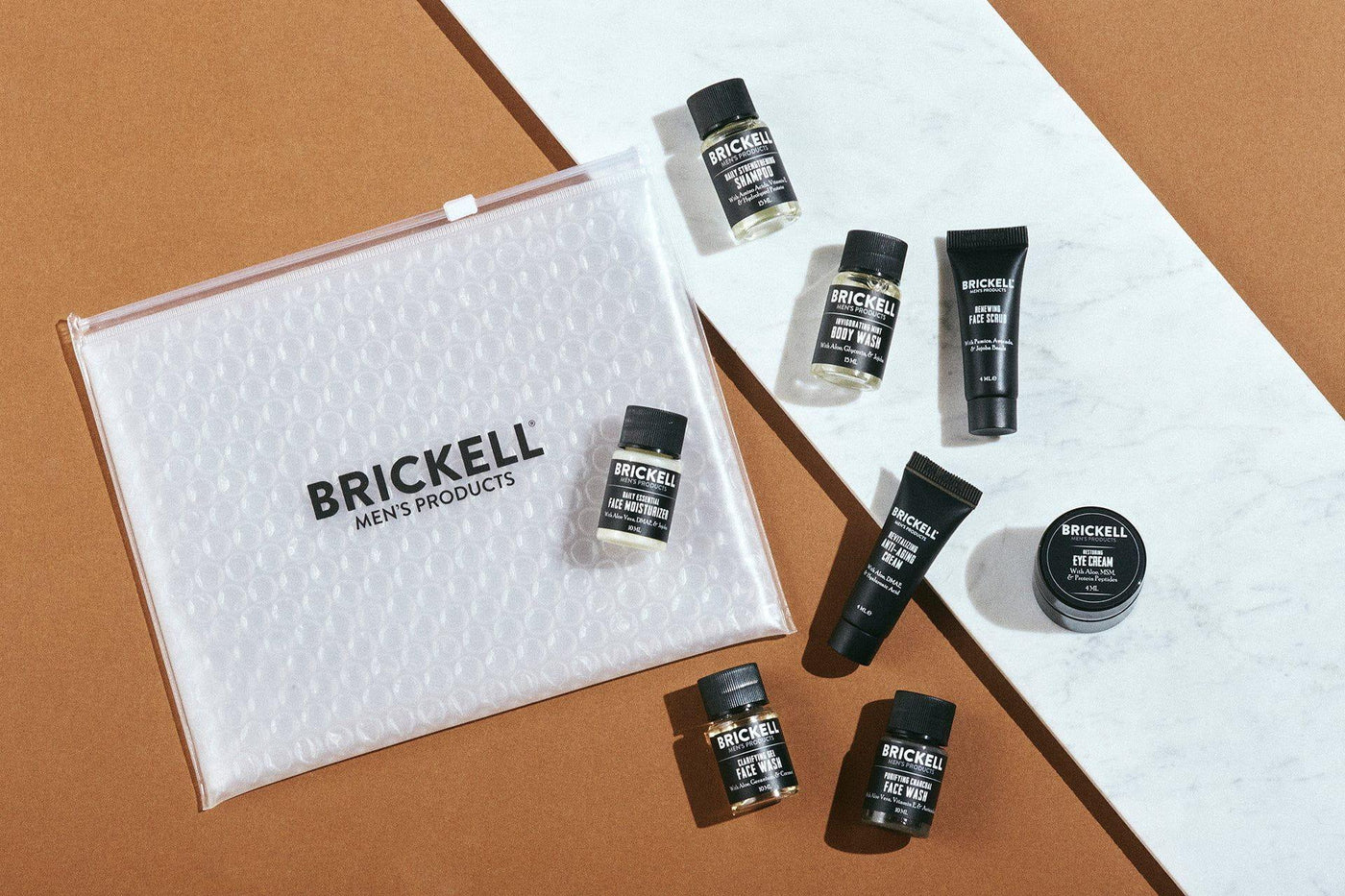
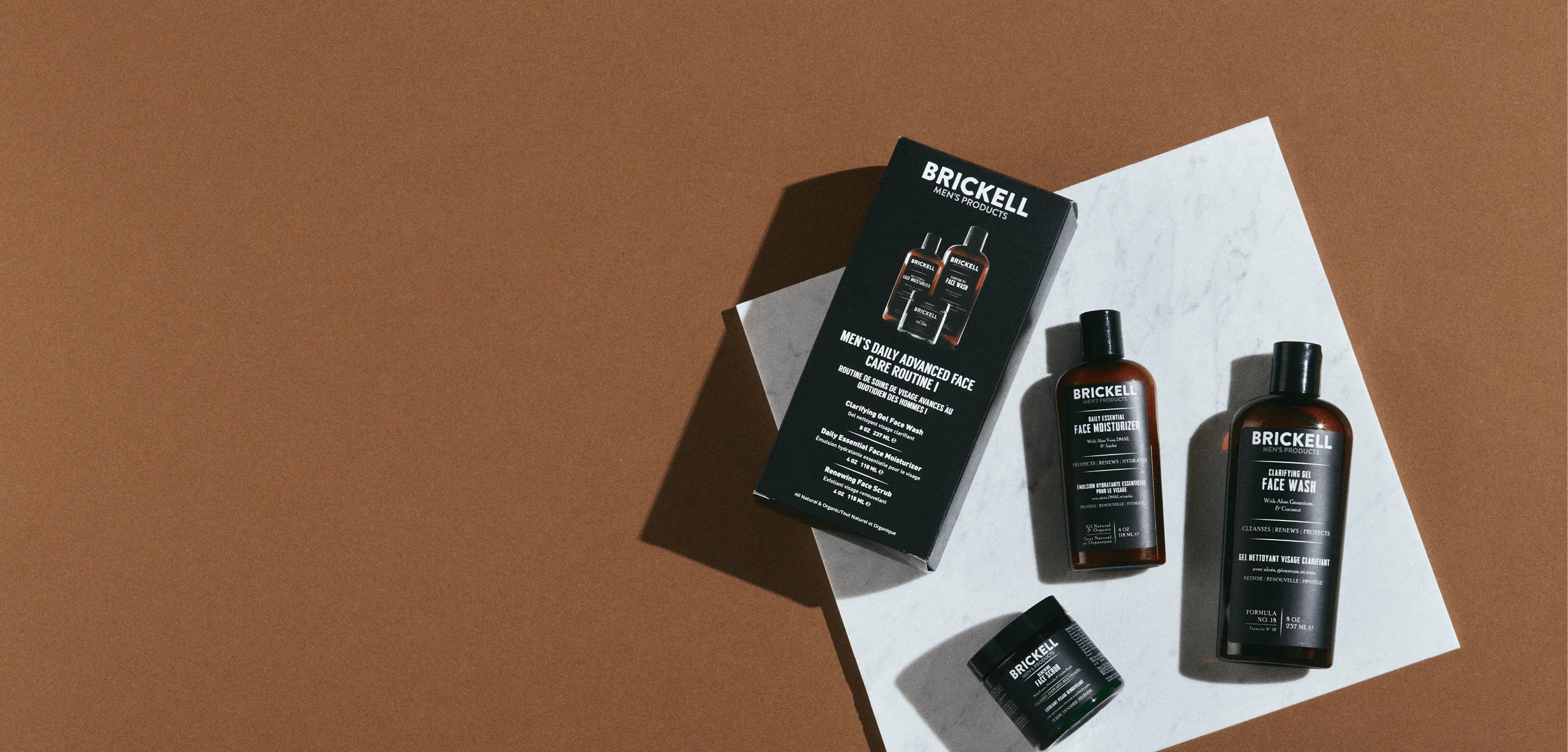
Our Renewing Face Scrub is an excellent option for all skin types and naturally moisturizes and hydrates your skin for a more dewy and clear complexion without enlarged pores.
Moisturize
Use hydrating serums like hyaluronic acid and rich moisturizers to deliver more water to your skin cells and keep your face's skin texture feeling soft and supple. Good moisturizing products will also strengthen your skin’s natural protective barrier to seal moisture inside and protect against dryness caused by environmental factors like harsh wind or cold temperatures.
Another benefit of keeping your skin hydrated is that this improves cell turnover for a more radiant complexion. It also fills tiny cracks and gaps in your skin’s surface, so you can enjoy smooth, less-textured skin.
Our popular Day and Night Anti-Aging Creams are moisturizers that help smooth your skin and fight signs of aging, like wrinkles, fine lines, and texture. They're infused with hydrating natural ingredients and hyaluronic acid, which is proven to help reduce wrinkles and crow’s feet with consistent use.
Use Vitamin C Serum
Regularly applying a vitamin C serum to your face will help reduce its textured appearance in a few ways. It boosts collagen production to enhance firmness and hydration, protects your skin against UV and environmental damage, reduces hyperpigmentation, and calms red, irritated skin with its anti-inflammatory properties. The result? A smoother, brighter, and healthier complexion.
Our Repairing Vitamin C Serum is an effective, concentrated product that naturally firms and repairs damaged skin to smooth out fine lines and reduce inflammation and signs of aging in your skin texture over time. It complements hyaluronic acid treatments and supports naturally radiant skin.
Add Retinol
Retinol is a form of vitamin A. It’s a powerhouse ingredient in skincare products that helps repair textured skin by unclogging pores, stimulating collagen and elastin production, and boosting skin cell turnover. With regular use, you’ll enjoy clearer, firmer, and smoother skin and can successfully reduce acne scarring.
While effective, retinol products can cause some irritation, like dryness, redness, or peeling, so it’s best to take it slow. Begin with low concentrations and only apply retinol to your face two or three nights a week to start. You can gradually increase the frequency of your use as your skin adjusts. Also, be sure to wear sunscreen when outdoors and avoid excessive sun exposure, as retinol can make your skin more sensitive to the sun.
If you want to add retinol to your daily face cleansing routine, consider one of our skincare products for men:
When To See a Dermatologist
If you’ve made changes to your skincare routine and lifestyle, but you’re still not seeing improvements in your skin’s texture, it might be time to get a professional opinion.
A dermatologist can accurately assess your skin’s health and recommend more powerful topical treatments, if necessary. For texture issues, examples might include prescription-strength retinoids or Alpha Hydroxy Acids, which can help peel away the outer layer of your skin to expose the healthier skin underneath.
Depending on your skin’s current health, the severity of its rough texture, and any other skin issues you might be having, a dermatologist may recommend in-office procedures to improve your skin’s texture, such as:
- Microneedling: This procedure triggers collagen and elastin production with tiny needle pricks on the skin.
- Microdermabrasion: This is a form of mechanical exfoliation that removes dead skin cells, sun damage, and dark spots.
- Chemical peels: These peels use acids to exfoliate your skin and reduce unevenness for a smoother appearance.
- Laser resurfacing: This process uses safe lasers to remove damaged skin and heat the thicker layer of tissue below the outer layer of your skin to promote more collagen production.
How To Keep Your Skin Smooth
Once you’ve achieved a healthy, smooth glow, you can maintain your results with the following healthy skincare and lifestyle habits.
- Maintain a consistent skincare routine: Don’t skimp on your regular cleansing, exfoliating, and moisturizing habits. Consistency will help enhance and maintain your results over time by increasing the health and appearance of your skin, including bumpy skin and enlarged pores, even as you age.
- Apply daily sunscreen: It’s no secret that UV exposure from the sun can wreak some serious havoc on your skin. Invest in a solid sunscreen and apply it every day. Yep, we even recommend wearing it all winter! (PRO TIP: Our Element Defense Moisturizer packs a double punch with natural, zinc-based SPF 45 to hydrate and nourish your skin while also protecting it from the sun).
- Drink lots of water: Boost your skin’s moisture and elasticity by staying hydrated. Not only will it look smoother and feel less tight, but properly hydrated skin will also maintain a better balance of natural oils to help reduce breakouts and maintain a clear complexion.
- Prioritize sleep: Getting a solid eight to nine hours of sleep a night will help your skin repair and regenerate cells. It will also improve your body’s ability to regulate water, combat inflammation, and combat stress–all of which are directly correlated with skin health and appearance.
- Exercise regularly: If you’re wondering how to improve skin texture, maintaining a regular workout regimen might not be the first solution you think of, but it packs a serious punch. Regular exercise stimulates collagen production and enhances circulation, bringing more oxygen and nutrients to the skin. It also flushes toxins and helps with stress management, ultimately reducing clogged pores and breakouts.
- Eat a balanced diet: A healthy diet full of colorful vegetables and fruits, lean protein, probiotic foods, and fiber supplies all the major nutrients necessary for smooth and firm skin. Water-rich foods like fruits and vegetables also help keep your skin moisturized. Consuming fewer processed and sugary snacks reduces inflammation and breakouts, too.
- Reduce stress: Managing your stress will also help improve skin texture by lowering inflammation, balancing oil production, boosting collagen, speeding up cellular turnover, and strengthening your skin’s natural barrier. Your approach doesn’t have to be fancy, either. Simply maintaining a healthy diet, regular exercise, and making time for the things you love can help you minimize stress.